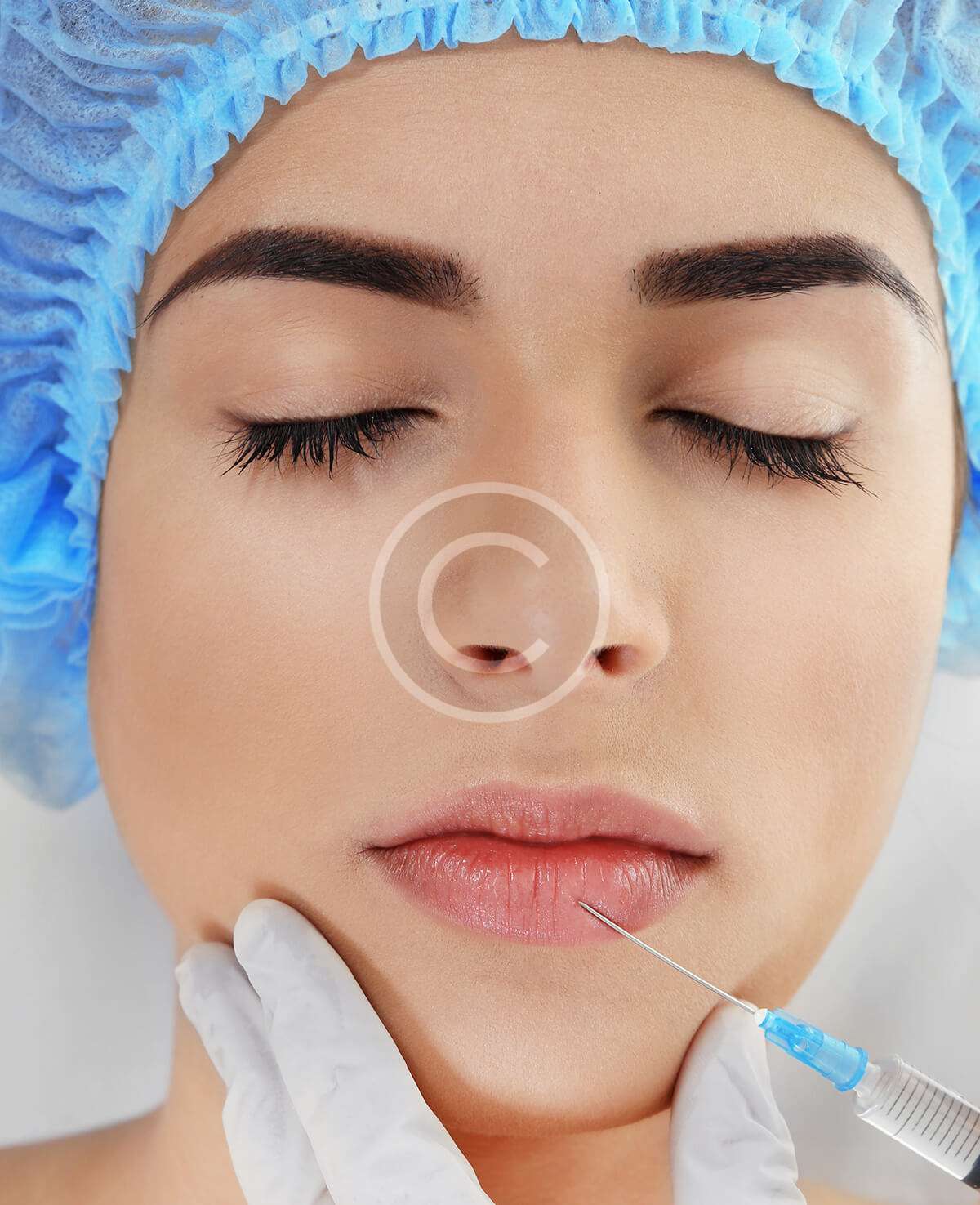
Lip Lift

Upper lip lift, also known as upper lip shortness treatment, is for patients who are not satisfied with the length of the upper lip area. In lip lift surgery, the area between the upper lip, the base of the columella (middle column of the nose) and the reddish pink of the lip is targeted. The ideal length of this area in facial aesthetic surgery is between 12-15 millimeters. However, this length may vary according to the position of individuals’ facial features of the face. If the length in this part is much higher than it should be, that is, if it is too much to cause discomfort to the person, support can be obtained from plastic surgery.


For whom is it suitable?

Many patients who are interested in upper lip lift or upper lip shortening are disturbed by the excessively long distance above the upper lip when viewed while the lip is motionless. If this length is more than it should be, it causes the lower face of the person to appear much longer than it is. In fact, the length of the upper lip in the vertical direction is usually about the length of the lower lip-chin. In order to create more harmony and balance on a face that does not have ideal proportions, the upper lip shortening procedure can be a very effective solution in some cases.

At the same time, some patients may request lip lift surgery for smile aesthetics. In an ideal smile aesthetic, the upper lip should go up and the teeth should be visible at a certain rate. If the distance of the upper lip is more than the ideal ratio, the lip may be pulled upwards and may prevent the teeth from being sufficiently visible. Insufficient appearance of the incisors can also be corrected with lip lift surgery.

What is lip lift surgery?

During the upper lip lift procedure, excess skin is removed from the upper lip area to shorten its vertical length. To obtain the desired measurement, one of two techniques can be performed. The first involves an incision made at the border of the red lip (lip roller) where a small portion of the skin is removed. As a result, the upper lip rises and becomes shorter. However, this technique may cause a scar to stand out in some patients.

The second and more popular approach is to make an incision under the part where the upper lip meets the nose. This is called a substrate upper lip lift because the incision is placed on the lower part of the nose (nasale). In this surgery, the upper extremity of the incision follows the natural contour of the upper lip just below the nose. After the excessive amount of skin is removed, the upper lip is lifted by suturing the cut edges together. It is important to close the incision in layers – that is, it is vital that the sutures are placed under the skin so that the suture provides sufficient strength to maintain the proper shape. After the deep stitches are placed, the skin edges are then meticulously aligned to make them visible as little as possible.

What is the recovery process like in lip lift surgery?

The healing process in lip lift aesthetics varies between 5 and 7 days. A 72-hour swelling is usually seen on the upper lip, which can be controlled with cold compresses. Possible pain is controlled with painkillers given by your doctor. Healing of incision scars accelerates in a few weeks, and healing continues for about a year. During this time, the traces become indistinct.

Botolinum toxin is a neurotoxic protein produced by Clostridium botulinum bacteria and related species. It causes soft paralysis by preventing the release of acetylcholine neurotransmitter from axon terminals. Infection with this bacterium causes botulism.

Mesotherapy is the technique of applying vitamins, minerals, amino acids or enzymes alone or generally in a mixture to the middle layer of the skin by microinjection. The substances to be injected are selected according to the person and the wishes of the person. Mesotherapy can be used for skin tightening, lifting, anti-aging, spot treatment, scar treatment in the face area.

İBichectomy, which is one of the aesthetic operations frequently applied by those who want to achieve an ideal facial appearance, is applied to make the facial features proportional. In some cases, even if the person is at the ideal weight, they may appear overweight due to the fat ratio in the existing facial structure. The adipose tissue in the middle of the cheeks is called buccal adipose tissue. This adipose tissue, located between the facial muscles, is anatomically located in the lower region of the cheekbones and is thought to contribute to sucking functions in infants. The size of this fat tissue is one of the factors affecting the size of the face. Buccal adipose tissue generally tends to decrease with aging.

In the face area, especially on the lips, we often use fillers called hyaluronic acid. Hyaluronic acid is actually the building blocks in our body that show water retention. With the effect of age and environmental factors, this substance causes some changes in the skin and subcutaneous tissue, which manifests itself with loss of volume. Simply put, we aim to increase the amount of this water-holding molecule in our body with filler injections.