

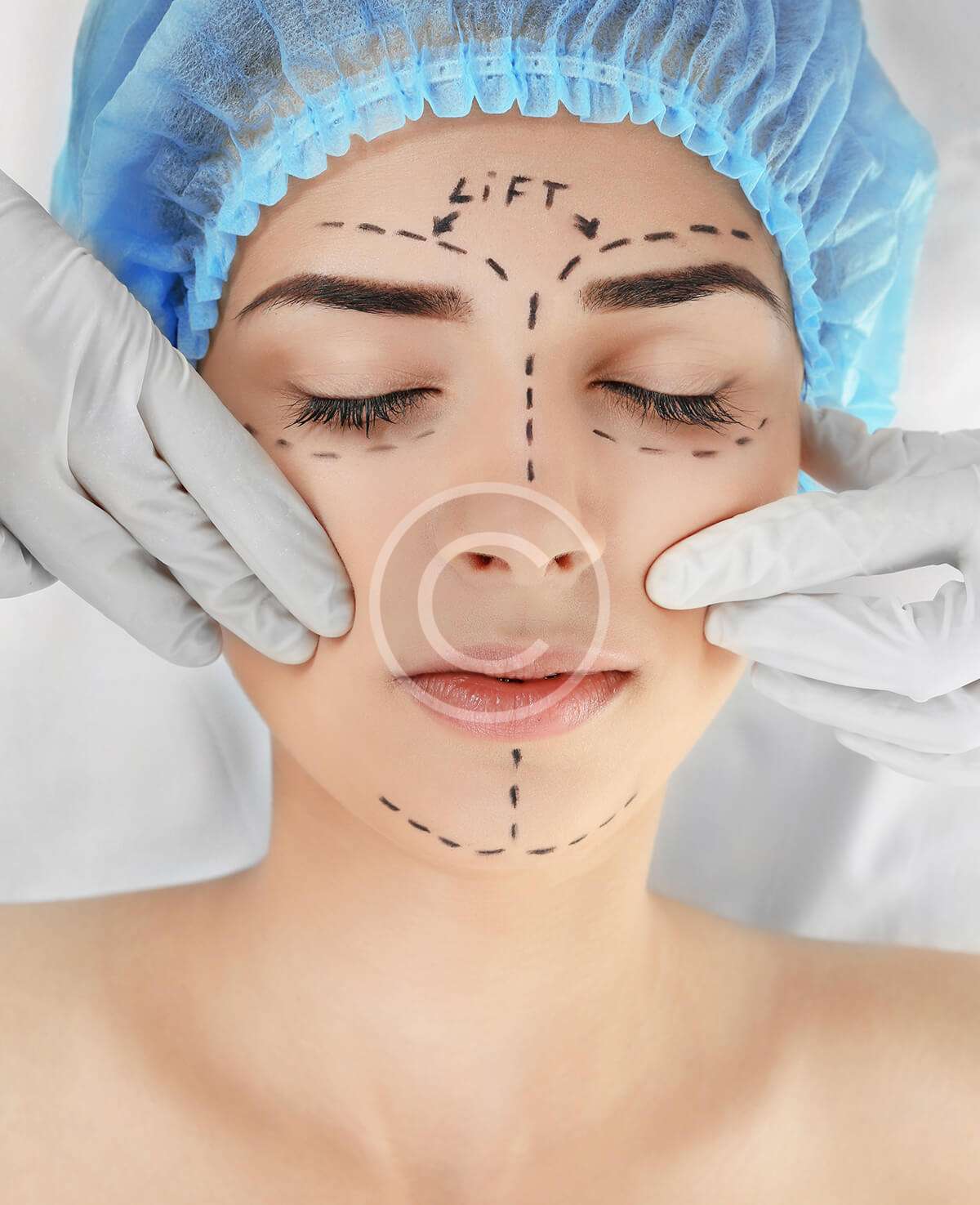
Bichectomy, which is one of the aesthetic operations frequently applied by those who want to achieve an ideal facial appearance, is applied to make the facial features proportional. In some cases, even if the person is at the ideal weight, they may appear overweight due to the fat ratio in the existing facial structure. The adipose tissue in the middle of the cheeks is called buccal adipose tissue. This adipose tissue, located between the facial muscles, is anatomically located in the lower region of the cheekbones and is thought to contribute to sucking functions in infants. The size of this fat tissue is one of the factors affecting the size of the face. Buccal adipose tissue generally tends to decrease with aging.
Buccal adipose tissue is one of the important elements of facial aesthetics. After the growth of this tissue, complaints such as rounding of the facial features, drooping of the cheeks or the appearance of a baby face may occur. Removal of adipose tissue in the cheeks, in other words, “partial buccal lipectomy” is considered an important surgical intervention for facial contours and aesthetics. The tissue defined as buccal adipose tissue may be excessive due to structural or aging. Fat pads in the cheeks, which lead to the appearance of chubby cheeks, can cause the person to look older or overweight.
With bichectomy, which is frequently applied by those who want to have a sharp face appearance in a triangular form, facial features can be thinned thanks to the adipose tissue taken from an incision of approximately 1 cm on the inner side of the cheek. Thanks to the operation, which does not leave any surgical scars on the skin surface, the asymmetrical appearance in the cheek area is also removed. It is ensured that the facial features of the person are sharpened, and the cheekbones and jawbones become prominent.
Anatomically, the lower facial line is formed by 4 basic structures:
buccal adipose tissue
masseter muscle
lower jawbone
Subcutaneous adipose tissue
Thanks to the operation, also known as the youth triangle, based on the golden ratio between these structures, the person will have a more beautiful and youthful appearance. With the bichectomy operation performed to have a V-type face, the face gets a more proportional appearance.
Removal of buccal adipose tissue can be performed alone or simultaneously with many other plastic surgery procedures:
Face Lift
Removal of buccal adipose tissue can also be performed during aesthetic surgery procedures that remove the signs of aging in the face and neck area, called facelift. With aging, it is expected that the skin and other structures in your body lose their elasticity. With the face lifting process, the tissues of this area can gain a more tense appearance. This aesthetic operation may include removing excess skin tissue, smoothing wrinkles and stretching facial tissue.
Nose Aesthetics (Rhinoplasty)
Nose aesthetic operations are among the most frequently performed operations among plastic surgery applications. People can benefit from rhinoplasty applications recommended by physicians if they are found to have difficulty breathing through the nose due to aesthetic anxiety or trauma and birth defects. Rhinoplasty can refer to surgical interventions in changing the size and inclination of the nose structure, flattening the bridge of the nose, reshaping the nasal tip and narrowing the size of the nostrils.
Lip Implants
Lip implants are considered a cosmetic procedure and are used to provide fullness of the lips. With the help of plastic implants, the lips are supported permanently. Silicone and expanded polytetrafluoroethylene constitute two types of implant materials. This procedure is recommended for people who have relatively symmetrical lips, enough lip skin to create post-implant tension, and are aware of the existing cosmetic problem and post-procedure results.
Botox Injections
Botox are injections produced by clostridium-type bacteria, usually containing botulinum toxin A and causing temporary paralysis of the muscles. Wrinkles caused by paralysis of the muscles can also be removed. Botox injections applied to the area called the glabella in the middle of the eyebrows and around the eyes cosmetically are applications that can be beneficial in diseases such as overactive bladder, lower extremity spasticity, chronic migraine and excessive sweating.
Botox provides a temporary blocking of the signals coming out of the nerve cells in the area where it is applied, so as a result of this, the contraction of the muscles in this area is prevented. Thus, the appearance of wrinkled skin around the eyes and forehead area can be improved.
Botolinum toxin is a neurotoxic protein produced by Clostridium botulinum bacteria and related species. It causes soft paralysis by preventing the release of acetylcholine neurotransmitter from axon terminals. Infection with this bacterium causes botulism.
Mesotherapy is the technique of applying vitamins, minerals, amino acids or enzymes alone or generally in a mixture to the middle layer of the skin by microinjection. The substances to be injected are selected according to the person and the wishes of the person. Mesotherapy can be used for skin tightening, lifting, anti-aging, spot treatment, scar treatment in the face area.
İBichectomy, which is one of the aesthetic operations frequently applied by those who want to achieve an ideal facial appearance, is applied to make the facial features proportional. In some cases, even if the person is at the ideal weight, they may appear overweight due to the fat ratio in the existing facial structure. The adipose tissue in the middle of the cheeks is called buccal adipose tissue. This adipose tissue, located between the facial muscles, is anatomically located in the lower region of the cheekbones and is thought to contribute to sucking functions in infants. The size of this fat tissue is one of the factors affecting the size of the face. Buccal adipose tissue generally tends to decrease with aging.
In the face area, especially on the lips, we often use fillers called hyaluronic acid. Hyaluronic acid is actually the building blocks in our body that show water retention. With the effect of age and environmental factors, this substance causes some changes in the skin and subcutaneous tissue, which manifests itself with loss of volume. Simply put, we aim to increase the amount of this water-holding molecule in our body with filler injections.